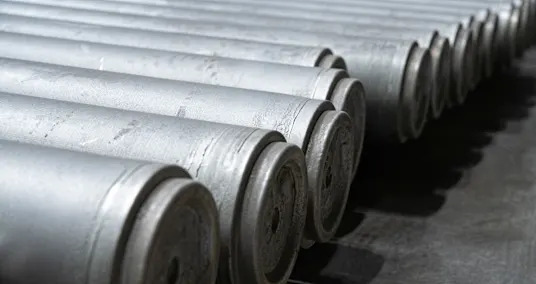
Fears of global aluminium shortages that could affect the production of clean energy technologies intensified after Iran struck two major Gulf aluminium producers, sending prices to a four-year high. The Middle East accounts for 9% of the world’s production of aluminum, which is essential to a wide range of industries from transportation, construction, and packaging, as well as the manufacture of solar panels, electrical transmission systems, wind turbines, and EVs.
Export shipments to the US and Europe had already come to a halt because of the effective closure of the Strait of Hormuz, and Morgan Stanley economists singled out aluminium as carrying a high level of risk across the value chain. Andy Farida, an aluminium analyst at Fastmarkets, told Semafor that high prices would be passed on to end-users, ultimately causing demand destruction. “A prolonged shutdown (with little to no alternative supplies other than Russia and China) could cripple the supply of aluminium to support the production of clean and green technology,” he said, adding that relief could come “if governments allow some sanctioned Russian and Chinese aluminium to be imported.”

LATEST POSTS
- 1
 ‘I love this work, but it’s killing me’: The unique toll of being a spiritual leader today
 - 2Guns N' Roses 2026 Tour: How to get tickets, presale times, prices and more
- 3Passover under fire: Israelis balance fatigue with cautious hope after month of war
- 4Italy fertility rate fell to new low of 1.14 in 2025
- 5Rocket shines under the northern lights | Space photo of the day for March 25, 2026




- Far-right AfD invited back to Munich Security Conference in 2026
- Deaths reported in Lebanon as Israel and Hezbollah exchange attacks
- Hoist Your Style: Famous Hairdos for Ladies
- Moon rush: These private spacecraft will attempt lunar landings in 2026
- What did the gov’t approve for Israel’s 2026 state budget?
- Bronze Age "City of Seven Ravines" unearthed in central Asia after 3,500 years
- It's official: NASA's Artemis 2 moon mission will break humanity's all-time distance record
- Wolf Bites Woman in Shocking Attack at Busy Shopping Center
- Like 'accelerating from stationary to supersonic flight': Europe's Hera probe boosts speed, stays on course for November asteroid rendezvous