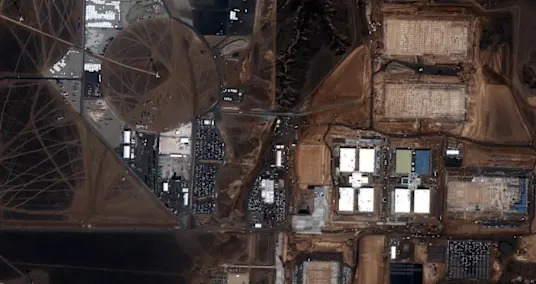
Iran's President Masoud Pezeshkian on Saturday threatened harsh retaliation against neighbouring countries should Iranian infrastructure or economic centres be attacked.
In a message "to the countries of the region" posted on X, Pezeshkian wrote: "If you want development and security, don't let our enemies run the war from your lands."
According to Iranian sources, Israeli and US forces had previously expanded their aerial attacks on steelworks and defence and energy infrastructure facilities in several Iranian provinces.
Since the start of the war on February 28, Iran has in turn attacked targets in several Gulf states hosting US military bases.
Meanwhile, the Israeli army said it had completed a further wave of attacks against targets in Tehran linked to the Iranian leadership.
No details regarding the exact targets or possible consequences were initially available.
Reports of new Iranian missile attacks also emerged in Israel, with sirens sounding in several areas in the south of the country.
LATEST POSTS
- 1
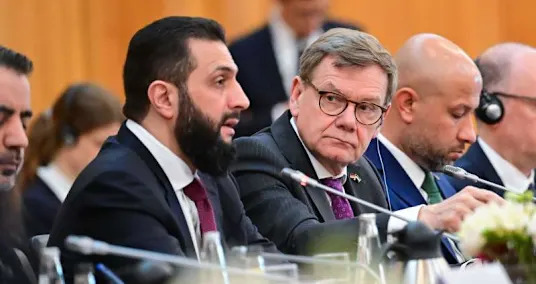
 Germany ready to assist Syria's reconstruction, says foreign minister
 - 2Well known SUVs With Low Energy Utilization In 2024
- 3AI is providing emotional support for employees – but is it a valuable tool or privacy threat?
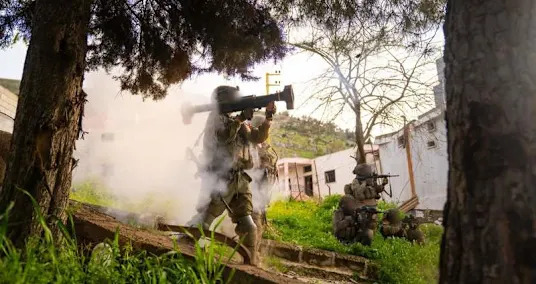
- 4IDF begins destroying homes used by Hezbollah as forces move deeper into southern Lebanon
- 5A definitive Manual for the Over-Ear Earphones



- Haunting Giant Squid Surfaces in Japan and Devours Its Prey (Video)
- A Manual for Well known Western television Series
- Why More Couples Are Choosing Africa For Their Honeymoon
- Is 'Veronica Mars' about to be your new binge-watch? It's now streaming on Netflix.
- New images reveal interstellar comet 3I/ATLAS approaching Earth
- Thousands of Walgreens nasal spray bottles recalled. See which ones.
- Google to Use Natural Gas to Power Massive Data Center in Texas
- Banks for High Fixed Store Rates: Amplify Your Reserve funds
- Father and son spending Christmas together after health scares