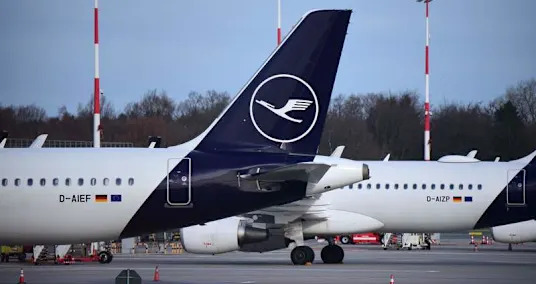
German Chancellor Friedrich Merz and Brazilian President Luiz Inácio Lula da Silva met on the sidelines of G20 talks in South Africa on Saturday, after the German leader sparked outrage with comments on the Brazilian city hosting the COP30 climate talks.
Sources close to the chancellor described Saturday's meeting, which focused on the UN Climate Change Conference in Brazil, tropical rainforest protection and the war in Ukraine, as "very harmonious," though it was unclear whether Merz’s controversial comments were discussed.
Merz had travelled to the Amazon city of Belém for a summit two weeks ago ahead of the annual climate conference. On his return to Berlin, the chancellor said he had asked journalists who accompanied him whether any of them wanted to stay.
"No one raised their hand," Merz said. He argued that the reporters were "happy" to return to Germany, which he described as "one of the most beautiful countries in the world."
The statement triggered anger in Brazil, including from President Lula.
At the time, Lula said Merz should have gone to a bar in Belém, danced and tried out the local cuisine.
LATEST POSTS
- 1
 'Harry Potter' fans rejoice: HBO releases 1st trailer for new TV series, set to premiere this Christmas
 - 2Manual for Purchasing a Modest Jeep Wrangler for Seniors
- 3IDF says up to 90% of Iran’s weapons industry could be hit within days
- 4Artemis 2 breaks humanity's all-time distance record during historic loop around the moon (video)
- 5Going on a bad date is a drag. Worse? Ending up as a cautionary tale on TikTok.



- These HGTV stars made a pledge to keep their kids off smartphones. Here's how it's going.
- The Manual for Electric Vehicles that will be hot merchants in 2023
- Can humans have babies in space? It may be harder than expected
- Was This Driver Simply Having A great time Or Behaving Like An Ass?
- Geminid meteor shower 2025 peaks next week. Here's what you need to know about this year's best meteor shower
- Figure out How to Store Your Gold Ventures: A Thorough Aide safely
- Germany's Lufthansa enters race for stake in Portuguese airline TAP
- Step by step instructions to Analyze Senior Insurance Contracts Really.
- France to build new nuclear aircraft carrier, Macron says